You may have a patio plan ready, only to realize the approval process is more complicated than you expected. City rules can quickly change how the project is planned before any work begins. At that point, one question may come to mind: Do you need a permit for landscaping?
Local approval can apply even when the upgrade seems minor. Knowing the rules early helps you plan the project with fewer surprises during the approval process. In this guide, Zazueta Landscape explains what to check before starting your next project.
Landscaping Work That Needs Permit Approval
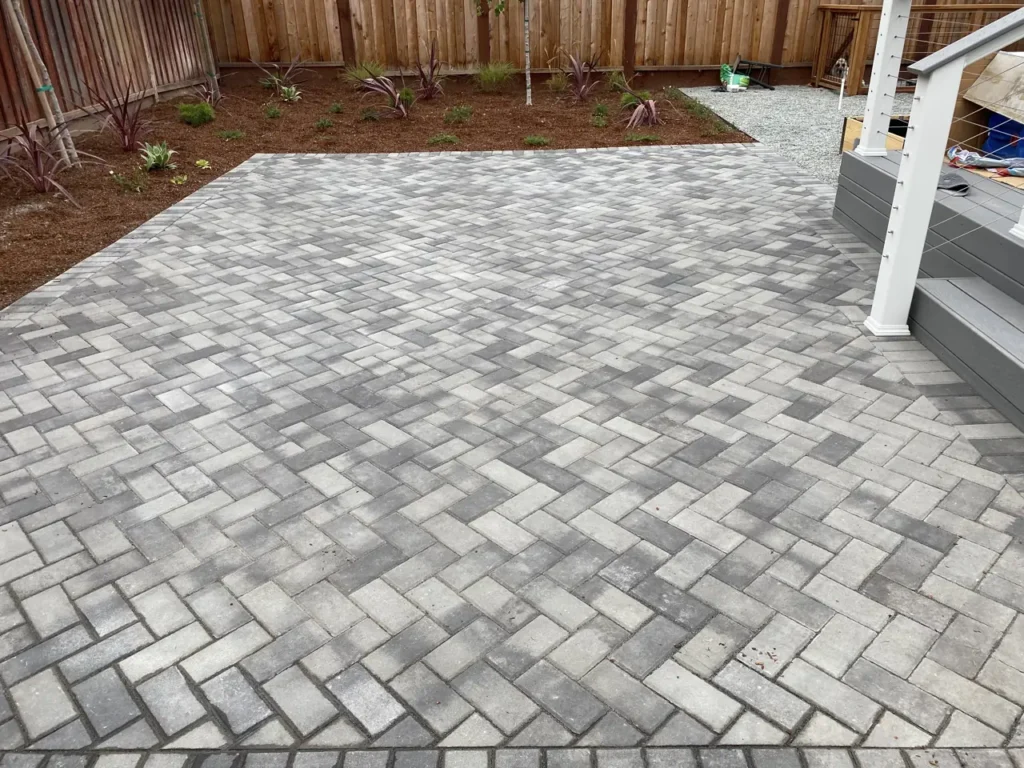
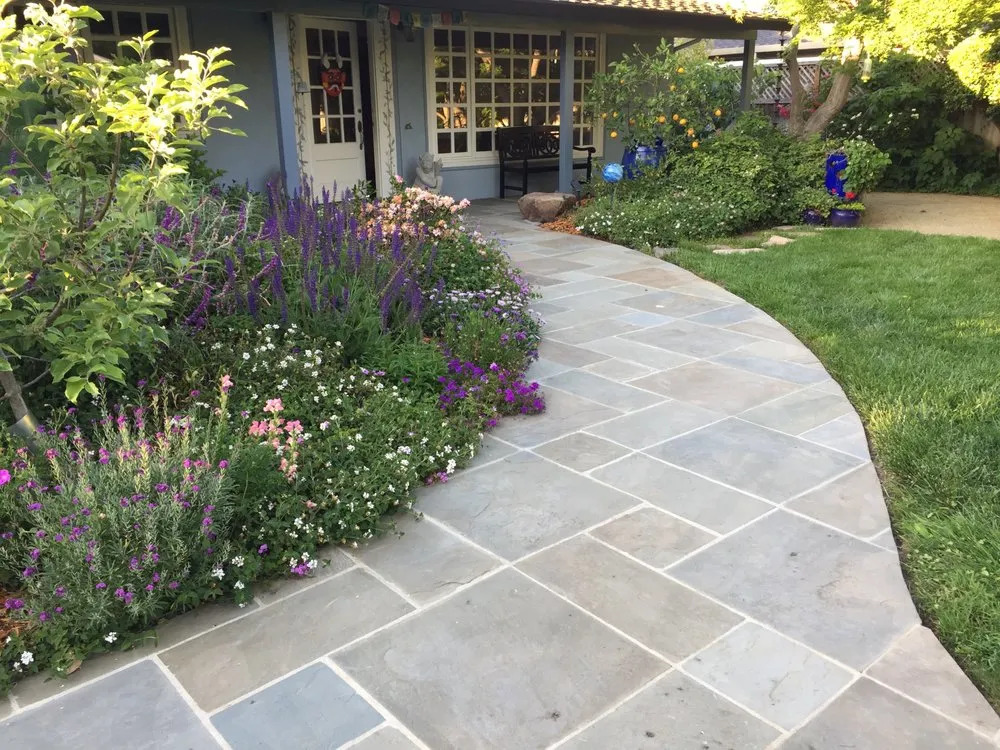
Homeowners often ask, “Do you need a permit for landscaping?” even for modest backyard refreshes, and the scope of the work usually decides the answer. If your project includes a new driveway or patio, reviewing the benefits of paver installation can help you decide on materials before determining what permits may be required. The following points show which projects most often need city review before work begins:
- Retaining wall installation: When exploring structural engineering and retaining walls, keep in mind that walls over 4 feet tall require a strict permit review.
- Outdoor structure permits: Decks, pergolas, or similar structures may need planning review before construction begins.
- Drainage system regulations: Grading changes may need review when they affect runoff direction or nearby properties.
- Tree removal: Removing protected trees may require city approval before cutting begins.
Why Landscaping Permits Matter
Learning about landscaping permits before work begins helps homeowners avoid delays and costly corrections later. The sections below show how approval can safeguard your home during and after construction.
Protecting Safety Through Code Review
A permit review can catch structural concerns before they become safety risks. If an outdoor feature is not built to code, it may fail under weight or weather-related pressure. Inspection helps confirm that the work meets local safety standards before the project moves forward.
Preserving Property Value
Future buyers and their inspectors will eventually find unpermitted work on your property. Deals can collapse, or sellers may have to pay to legalize the changes retroactively. Insurers and lenders sometimes refuse coverage for damage tied to undocumented improvements.
Avoiding Fines and Legal Issues
Cities can issue stop-work orders or charge daily penalties until you bring a project into compliance. The cost of doing things correctly from the get-go is almost always lower than the cost of getting caught. You also expose yourself to lawsuits if unsafe work damages a neighbor’s home.
Preventing Property Line Problems
Most jurisdictions enforce property line restrictions that dictate how close walls or fences can sit to your boundary. Mismeasuring by even a foot can force you to tear down a finished project. Permit reviews help flag those errors before installation begins.
When To Check Permit Requirements
Permit requirements should be reviewed before the project moves from planning to scheduling. Early planning gives you time to confirm which city department is responsible for your project review.
Some projects need a basic application, while others require professional drawings. A clear permit check also helps align the design with local review requirements. A contractor can usually explain what the city may request before approval. Planning ahead is important because understanding how long landscaping takes helps you budget for city approval delays and seasonal weather shifts. Those details may include drainage direction or proposed placement of the structure.
This step can make the city review easier because the main project details are already prepared. It may also reduce disputes if the project affects boundaries or shared spaces. That makes the landscaping process easier to manage from the start.
Navigating Local Zoning Ordinances and Approvals
If you are asking, “Do you need a permit for landscaping?” zoning rules determine which approvals are required. The points below explain which local restrictions may affect your project before work begins.
- Setback measurements: Each parcel has minimum distances from boundaries that hardscape and structures must respect during project planning.
- Height limits: Fences and walls have maximum heights that often differ between front and back yards, depending on the local zone.
- Environmental overlays: Properties near waterways or protected habitats are subject to stricter review and longer timelines under local rules.
- HOA covenants: Neighborhood associations sometimes impose rules that go beyond standard city baselines for exterior changes.
Start Your Permit-Ready Landscape Project Today
By now, you know the question, “Do you need a permit for landscaping?” has no one-size-fits-all answer. Homeowners exploring backyard hardscape ideas should check local regulations early to avoid delays or unexpected compliance issues. At Zazueta Landscape, we help identify which approvals may apply to your design. We can also coordinate with city officials to keep your timeline realistic.
From concept sketches to final planting, our crew manages installations of all sizes while helping homeowners understand how long landscaping takes. We specialize in custom outdoor designs and hardscape construction tailored to the Bay Area climate. Call (408) 603-4061 to start your next outdoor project with Zazueta Landscape in Los Altos, CA.