You want a yard you can enjoy without a sky-high water bill or endless weekend chores, but knowing where to begin can feel overwhelming. Plenty of green-sounding advice floats around, yet it rarely explains how the pieces fit together.
A landscaper in Los Altos can assess how local site conditions should affect your plant selections and irrigation design. In this guide, Zazueta Landscape explains how eco-friendly landscaping begins with planning around the property’s conditions.
Plan a Sustainable Landscape
Creating an eco-friendly landscape means working with your site instead of against it, so begin by taking stock of the property. This means noting the following:
- Sunlight: Note which areas get full sun and which stay shaded, since light determines where each plant can thrive.
- Drainage: Watch where water pools or runs off after rain to spot soggy areas.
- Soil conditions: Test nutrient levels and pH so you know what the ground needs before planting.
- Existing features: Mark the mature trees and slopes you plan to keep so you can shape the rest of the design around them.
A rough sketch showing these site conditions makes the design process easier. Rechecking the sketch after seasonal rain can reveal drainage patterns that weren’t visible during the initial dry-weather site assessment before landscape installation begins.
With that groundwork done, you can match eco-friendly landscaping ideas to what the property actually offers. A well-placed mature tree shades the yard and the house, while a dry, sunny slope suits drought-tolerant plants.
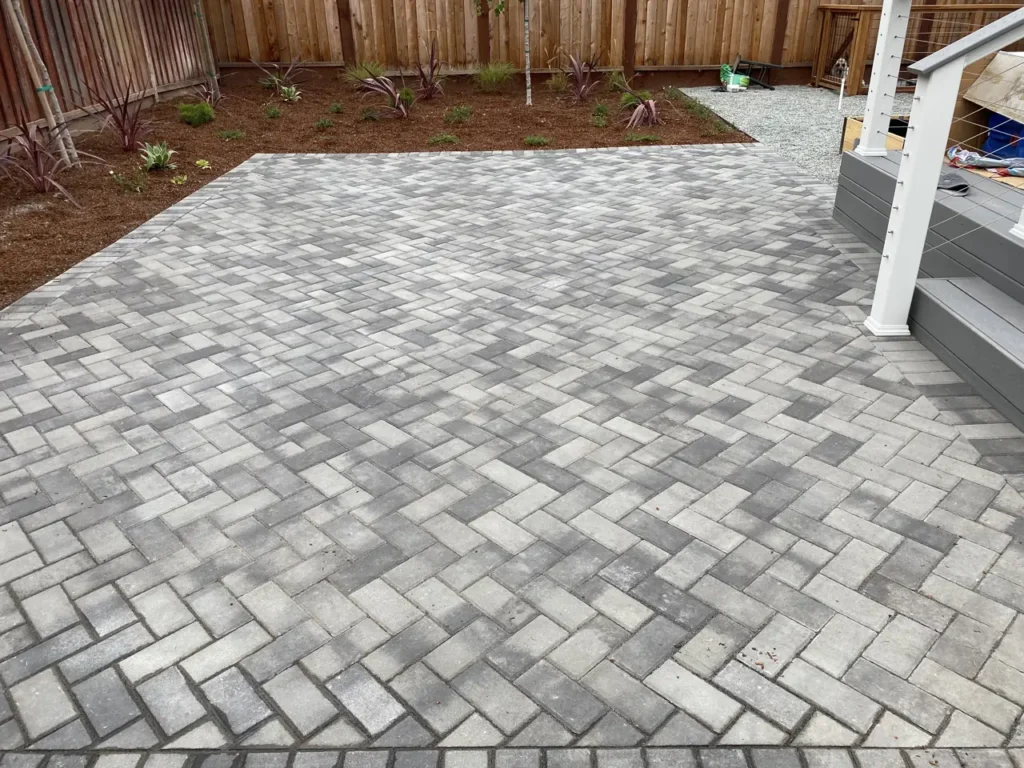
At ground level, sustainable landscape design also covers soil and water movement. Where a soil test shows low organic matter, adding compost may improve moisture retention and soil structure. Permeable pavers also let rain soak into the ground instead of running off.
Choose Climate-Appropriate Plants and Ground Covers
Many native plants need less supplemental water once established, though new plantings require regular irrigation during their first year or two as their root systems develop. They can also provide food and shelter for local wildlife.
Grouping plants with similar sunlight and moisture needs is a practice called hydrozoning. This helps you avoid overwatering an entire bed for its thirstiest plant.
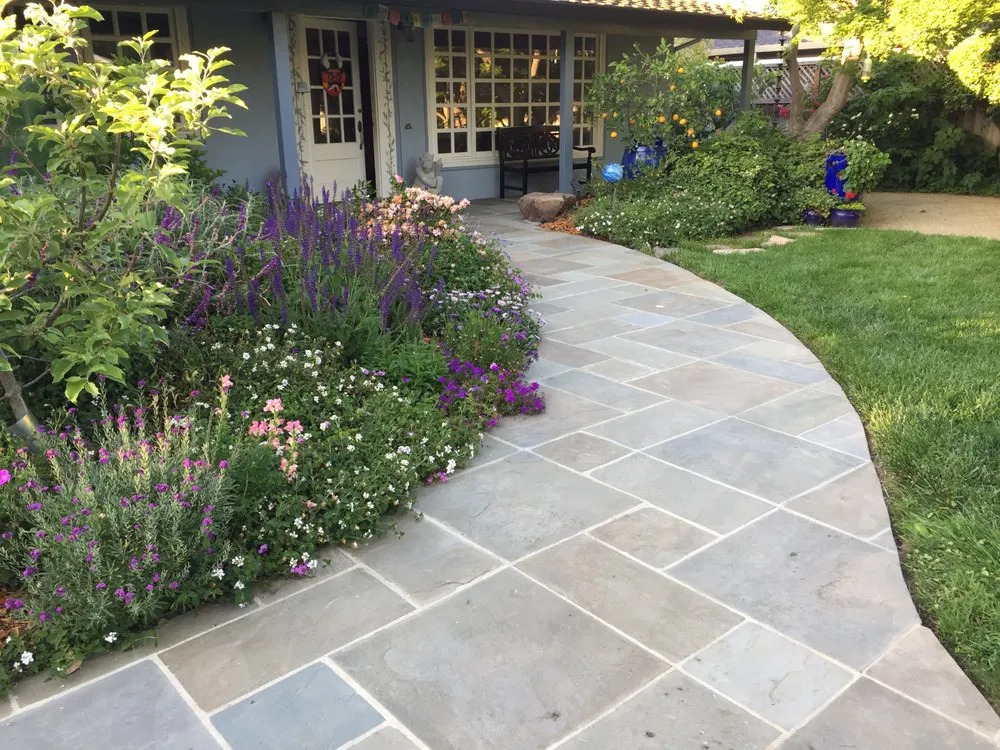
If you want a smaller lawn, eco-friendly grass alternatives such as clover and creeping thyme may tolerate dry weather conditions and require less maintenance than conventional turf. Creeping thyme can thin out where people walk often, so keep stone or gravel paths through high-traffic areas. In naturally shady, damp corners that do not require additional irrigation, moss may be another option, though it cannot withstand strong sun or heavy foot traffic.
Conserve Water and Maintain the Yard Responsibly
Your irrigation approach affects how efficiently an eco-friendly landscape uses water. Drip irrigation delivers water directly to plant roots, reducing evaporation and runoff. It works well in many planting beds, while lawns and some dense ground covers may need a system that provides more even surface coverage.
Other water-efficient landscaping techniques can reduce unnecessary irrigation. Early-morning watering limits evaporation, while a weather-based controller can allow you to adjust the schedule to local conditions. Rain barrels or cisterns can capture roof runoff for irrigation, reducing how much tap water your yard needs.
Environmentally friendly lawn and garden care also includes pruning only when needed and avoiding overfertilizing, since excess nitrogen can encourage rapid growth that increases water demand. Skip synthetic pesticides where you can, because they can harm beneficial insects and wildlife.
A few simple habits form the core of sustainable landscaping practices for homeowners:
- Mulch: Spread organic mulch over bare soil to slow evaporation and suppress weeds.
- Irrigation checks: Regularly look for leaks and overspray, and adjust the schedule as the weather changes.
- Yard waste composting: Compost leaves and trimmings so their nutrients stay in your yard.
- Plant checks: Wilting or uneven growth may indicate unsuitable plant placement, while pooling water may signal an irrigation problem.
These habits require regular attention because plants mature and the yard’s needs change over time.
Build Your Greener Yard With Zazueta Landscape
You don’t have to overhaul everything at once. Begin with one targeted improvement, such as replacing a thirsty lawn strip with native plants or converting one planting bed to drip irrigation.
At Zazueta Landscape, our softscape services include irrigation and soil amendment, and we can help you plan a drought-tolerant yard that fits your property. As a family-owned business with more than 30 years of experience and over 1,000 completed landscape projects, we approach every project with clear communication. Call Zazueta Landscape at (408) 603-4061 to plan eco-friendly landscaping for your Bay Area property.